Divine centres of consciousness, sadhana and spiritual energy

Divine places of sadhana

The places where great sages, saints and accomplished seekers attained their spiritual goal become steeped in consciousness, awakened with energy, and turn into ground made sacred by austerity. Practising sadhana at such a sacred place lets a seeker's own sadhana bear fruit swiftly.

The places where Bhaiyaji and Maa Basanti Ji practised the highest form of selfless, loving devotion to Jagatjanani Maa are sources of dense consciousness and divine energy.

These sacred sites, awakened by the selfless, loving devotion of Bhaiyaji and Maa Basanti Ji, still touch seekers deeply today with peace, consciousness and divine energy.
01

The guru's site and the beginning of sadhana

Tekri
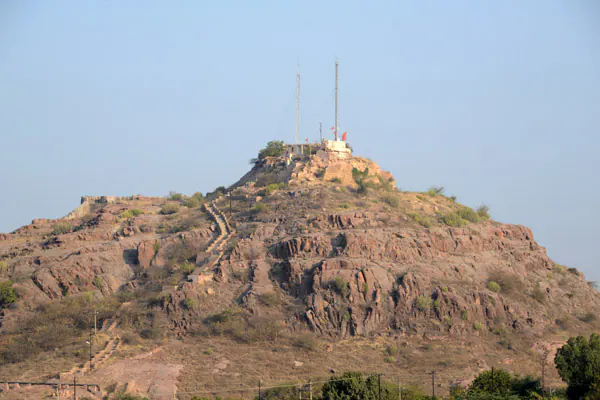
Representative image of the Tekri Maa temple

At the age of 15, the call of truth awakened

Bhaiya Shri Nandkishore Sharda's spiritual sadhana began in 1959, at just 15 years of age. The sudden passing of his father awakened within him the resolve to know the conscious power that keeps the human body alive and in motion.

This inner call led him to the ancient, cave-like 'Tekri Maa' temple, on a hill roughly 250–300 feet high behind the Jodhpur Fort — which went on to become his guru's site and place of sadhana.
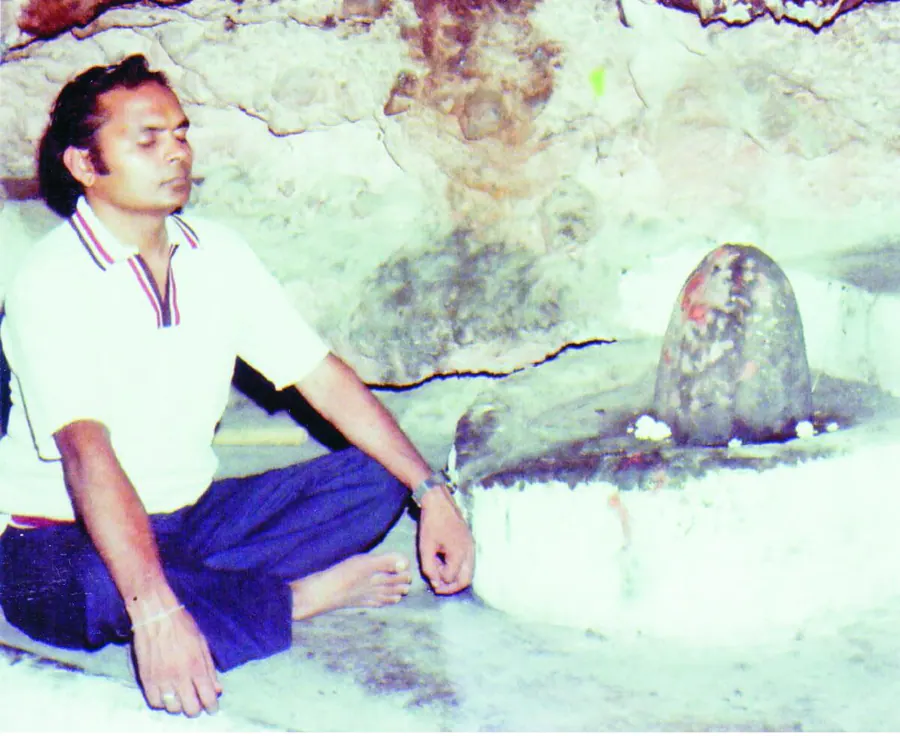
Representative image of the Tekri ground of austerity

Sadhana of love, devotion and complete surrender

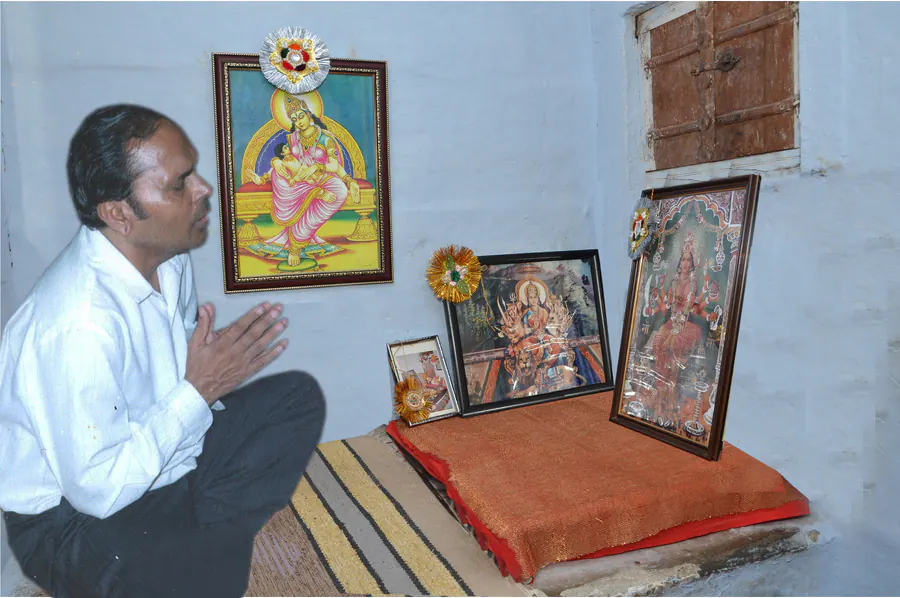
He took Maa Tripurasundari as his guru and mother, and adopted a sadhana of love, devotion and complete surrender. With no set method of sadhana, he tried many spiritual experiments and offered his entire being at Maa's feet.

Pleased by his selfless sadhana, Maa gave him darshan and accepted him as her own son. This sacred site of Tekri Maa still pulses with consciousness today, as a living memory of Bhaiyaji's sadhana, surrender and divine experiences.
02

Bhaiyaji's place of sadhana

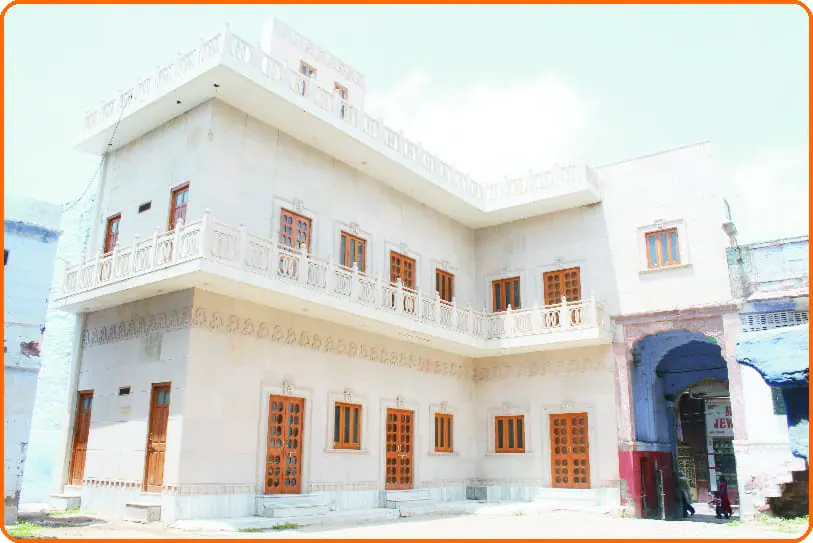
The sadhna-sthali of Yugpravartak Shri Nandkishore Sharda — the Siddhapeeth

Representative image of the Siddhapeeth

New heights of sadhana in a small room

The thread of devotion and surrender to 'Maa' continued for some years at Shivdutt Maharaj's seat too. Then, from 1982, he made a small, cell-like room in the Manihars' haveli his place of sadhana.

Seated there in meditation, he practised rigorous sadhana, reflection and contemplation. From 1982 to 1995, he gathered at this sacred site all the powers attained through his own spiritual sadhana, making it awakened and full of consciousness.

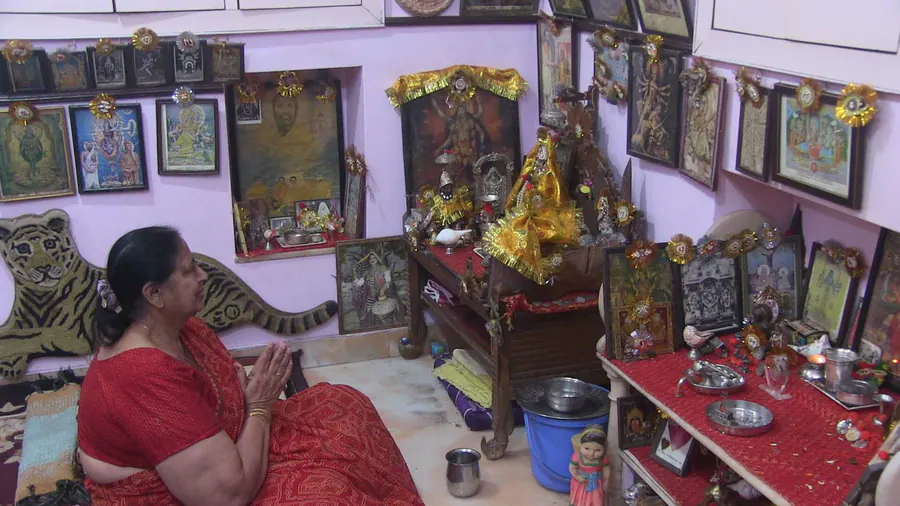
The building of this sadhna-sthali has two large halls, one above and one below. The upper hall holds the very space where Bhaiyaji spent hours in solitary sadhana — it has been preserved in its original form to this day, a task as difficult as it was important.

Representative image of the Siddhapeeth sadhana chamber

An awakened centre of energy for seekers

In 2006, Jagatjanani Maa commanded Maa Basanti Ji that this sacred place be purchased, so that seekers and inquirers who came there might also receive its energy and find their path made clear. By Maa Tripurasundari's grace, this difficult task too was accomplished in a remarkable way.

Today this divine ground of austerity is established as the 'Adhyatmyogi Shri Nandkishore Sharda Sadhna-Sthali Siddhapeeth'. Though set amid the noise of the city centre, there is a remarkable peace within it, and meditation settles here almost instantly. 'Siddhapeeth' literally means a sacred spiritual place where sadhana undertaken with faith, devotion and steadfastness bears fruit swiftly.

03

Maa Basanti Ji's place of sadhana

Vatsalyapeeth

Representative image of Vatsalyapeeth

More than thirty years of loving, surrendered sadhana

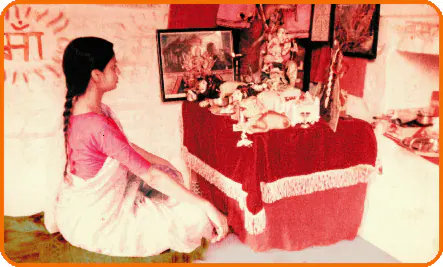
When Bhaiyaji inspired Maa Basanti Ji towards sadhana, she began her practice of devotion to Jagatjanani Maa at the Manihar residence. After receiving formal permission in 1964, she made a small room her place of sadhana.

From 1964 to 1995, for more than thirty years, she practised complete, loving, surrendered sadhana there. That small room was her entire world — sadhana, discussion of knowledge, rest, and a life dissolved in 'Maa', all within it.

Representative image of the Vatsalyapeeth sadhana chamber

A gaze full of vatsalya, and a shield of consciousness

Maa Basanti Ji always remained under Jagatjanani Maa's gaze full of vatsalya — maternal tenderness. Maa's gracious, protecting hand was ever upon her. This place of sadhana carried such a shield of consciousness that no force or person of low intent could dare come near it. Its door was opened for only about an hour each day, to a select few of good character who had received 'Maa's' own permission.

As a result, Maa Basanti Ji's place of sadhana became a ground of austerity, filled with consciousness. Its consciousness remains unbroken today. By the command of 'Maa' and Bhaiyaji, this place of sadhana is now named 'Vatsalyapeeth'.

04

A centre of knowledge, service and karma sadhana

Manidweep

Representative image of Manidweep

A symbol on earth of Jagatjanani Maa's divine realm

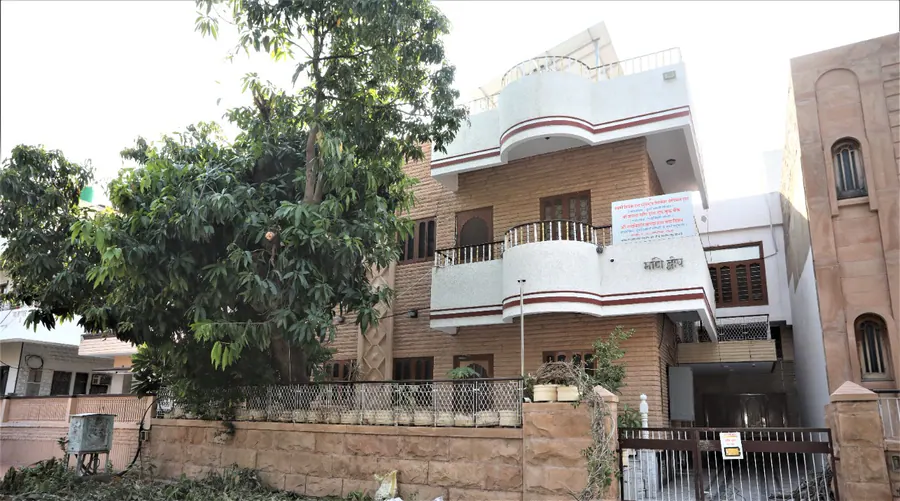
In 1990 Bhaiyaji took up the chakra and, by 'Maa's' command, advanced into karma sadhana. As a result, the construction of 'Manidweep' was completed in 1995, and the 'Maa' family came to live here.

'Manidweep' means Jagatjanani Maa's divine realm. On earth, 'Manidweep' at A-183, Shastri Nagar, Jodhpur, is a symbol of that very divine realm, built by Jagatjanani Maa's command.

Representative image of the Manidweep mission centre

A stream of knowledge, service and human welfare

At 'Manidweep', a trust for girls' education was formed and other service works began. The knowledge given by Jagatjanani Maa was set down in the divine text 'The Wonderful World After Death', and various initiatives began to spread this knowledge.

Through the sadhana of Bhaiyaji, Maa Basanti Ji and the members of the Manidweep Adhyatm Parivar, this site is a ground of austerity where Jagatjanani Maa herself resides and directs all its works.

Read the full story of Manidweep's making
An invitation to experience

Experience the peace of these places for yourself

These divine places of sadhana are not merely places to see, but living centres that calm the mind, deepen inquiry, and awaken the spirit of sadhana within.